
Portable power stations are quickly becoming essential for off-grid adventures. For campers, RV enthusiasts, or anyone preparing for emergencies, understanding how these devices work beyond the reach of standard electrical outlets is important. They are designed to store energy, often from solar sources, and then deliver it efficiently to power a wide range of devices. This makes them an invaluable resource when reliability and independence from the grid are required. With portability and quiet operation, portable power stations have met the needs of modern explorations and living experiences. This blog will help you delve into how these stations operate off-grid efficiently, the components involved, and how they manage energy to keep your devices humming along, regardless of your location.
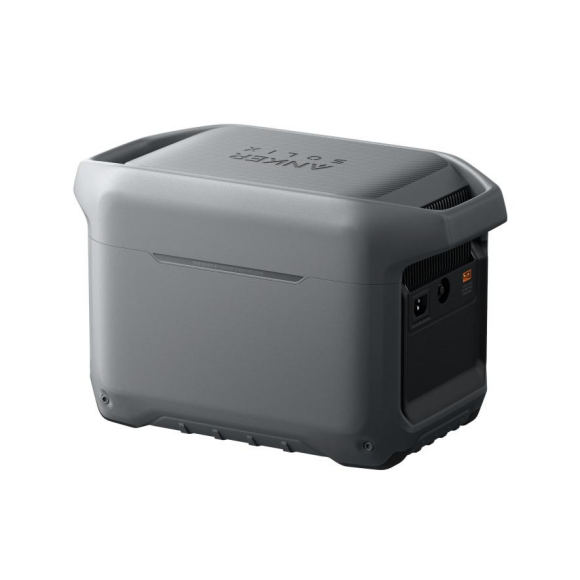
What Is a Portable Power Station for Off-Grid Use?
Definition and Core Purpose
A portable power station is essentially a rechargeable battery pack designed for off-grid use. Unlike traditional generators, these stations store electrical energy, allowing it to be used when direct access to power is unavailable. Typically housed in compact structures, they convert stored energy into usable alternating current (AC) that powers a variety of devices. Moreover, their core purpose is to provide reliable and sustainable power, ensuring that essential appliances and tech gadgets continue to function during camping trips, RV travels, or in emergency situations without relying on conventional power sources.
Common Off-Grid Use Cases
Portable power stations have transformed off-grid living and traveling by making electrical power accessible in remote areas. They are commonly used during camping trips where traditional electrical connections are absent, providing power to essential camping gear such as lights, portable fridges, and cooking appliances. RV travelers often rely on these power stations to keep their motorhomes operational without relying on campground hookups. Additionally, during power outages or emergencies, these stations become lifelines, powering critical devices and appliances, ranging from communication gadgets to medical equipment, ensuring preparedness and safety when the grid fails.
Key Components That Make Off-Grid Power Possible
Battery Storage System
The battery storage system is the heart of a portable power station, determining how long and efficiently it can supply power. Often equipped with a Lithium Iron Phosphate (LFP) battery, these systems store a substantial amount of energy, offering multiple charging cycles before replacement or recharging is needed. The capability of these batteries to store energy from various sources, especially solar panels, makes them indispensable for off-grid applications. As advancements continue, modern batteries now support higher energy densities and stability, ensuring reliable power delivery over extended periods. Moreover, the eco-friendly LFP technology contributes to longer life cycles, providing users with durable and dependable power solutions wherever needed.
Inverter and Output Ports
Inverters play a crucial role in converting stored direct current (DC) from the battery into alternating current (AC), which is necessary for powering most household appliances and electronic devices. Portable power stations are equipped with high-efficiency inverters that ensure minimal energy loss during conversion. Additionally, multiple output ports on these stations, including USB, AC, and DC ports, allow simultaneous charging and operation of multiple devices. This versatility maximizes the utility of the stored power, catering to different power needs, whether it’s for charging phones, running a laptop, or providing energy to larger appliances. The varied outlets make these stations adaptable and incredibly user-friendly for diverse off-grid scenarios.
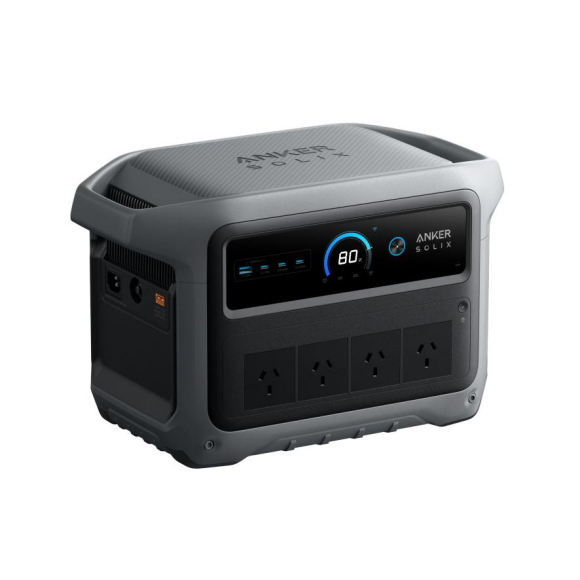
How Portable Power Stations Generate and Deliver Power
Solar Charging and Energy Storage
Solar charging is a popular and sustainable method for storing energy in portable power stations. Panels convert sunlight into electrical energy, which is then stored within the station’s high-capacity battery. This setup not only provides a renewable source of energy but also makes the power station highly versatile for off-grid use. During sunlit hours, solar panels can continuously recharge the station, ensuring preparedness for the night or cloudy days. Beyond solar, these stations support multiple methods of recharging, including AC outlets and car chargers, broadening their utility. anker SOLIX C1000 Gen2 boasts fast recharge times through AC + Solar, achieving full recharge in just 49 minutes, highlighting technological advances that make solar charging efficient and highly reliable.
Powering Devices Through Multiple Outputs
After storing energy, portable power stations deliver it through various outputs to meet user needs. Most stations come equipped with a plethora of ports like AC outlets, USB connectors, and DC outlets, allowing users to charge phones, laptops, and power larger appliances simultaneously. Efficient energy management systems regulate output to ensure seamless operation without overloading power circuits. The anker SOLIX C1000 Gen2 excels in this field, powering 99% of household appliances from washing machines to refrigerators, thanks to its intelligent power distribution. Such flexibility in energy output makes portable power stations exceptionally reliable for any off-grid scenario, whether it’s an adventure in the wilderness or crucial support during an emergency.
Example of a High-Capacity Off-Grid Power Station
Off-Grid Performance of Anker SOLIX C2000 Gen2
The anker SOLIX C1000 Gen2 stands out as a powerhouse for off-grid scenarios, providing unparalleled performance and efficiency. 10-Year InfiniPower™ Long-Lasting Battery Life: Designed to meet the demands of everyday use for a decade. After 4000 cycles, the LFP battery retains at least 80% of its capacity. Despite its capacity, it remains portable, being 14% smaller and 11% lighter than comparable models, enhancing its usability for travelers and explorers. Operating at a quiet 30 dB, it’s also discreet enough for serene environments or nighttime use.These features make the anker SOLIX C1000 Gen2 an excellent choice for anyone needing powerful and reliable off-grid energy solutions.
Fast Solar Charging and Smart Energy Management
Efficiency and smart technology define the anker SOLIX C1000 Gen2’s energy processes. Known as the world’s fastest in solar + AC recharging, it reaches full capacity in just 49 minutes, adapting to demanding off-grid conditions swiftly. Its robust architecture supports multiple recharge methods including solar panels, alternator chargers, gas generators, and even car chargers, optimizing flexibility. With advanced management systems, it ensures optimal power distribution, conserving energy while meeting high demands. Whether rapid solar charging or intelligent energy balancing, the Anker SOLIX proves essential for managing power in varied and challenging environments, making it an ideal companion for seamless off-grid travel.
Conclusion
In essence, portable power stations are key enablers of modern off-grid living. They embody adaptability, providing reliable energy in places where grid power isn’t available. Comprising sophisticated battery storage, efficient inverters, and multiple output options, these stations are engineered to meet diverse power demands effectively. Models like the anker SOLIX C1000 Gen2 amplify this utility with enhanced features such as fast solar charging and substantial capacity, ensuring no equipment is left powerless. As technology advances, these power stations will continue to impact off-grid living, offering sustainable, efficient, and dependable power solutions that cater to adventurous, emergency, and everyday needs without compromising freedom and flexibility.