
Flagship smartphones in 2025 represent the pinnacle of mobile innovation, combining sheer power with user-centric design. These gadgets are no longer rated only on a single standout feature; instead, they must deliver on performance, display, camera, design, and connection. Consumers want seamless multitasking, powerful AI capabilities, professional-grade photography, and ultra-smooth graphics, all housed in a beautiful and sturdy design. Manufacturers now compete not just on specifications, but also on how well these phones fit into daily life. Whether editing films in real time or controlling smart homes, a genuine flagship must have dependable speed, smart automation, and top-tier security. Let's look at the main characteristics that distinguish these exceptional smartphones from the others.

What Core Hardware Specs Set Flagships Apart in 2025?
Next-Gen Processors and AI Performance Gains
The greatest smartphones in 2025 are driven by modern processors developed on 3nm or smaller technology, which provide a balance of high-speed performance and intelligent efficiency. These next-generation processors outperform earlier versions in terms of processing speed and power management. More crucially, integrated AI engines can now do tasks such as real-time speech transcription, live translation, and tailored app behavior with remarkable speed and precision. Users may easily run intense games, edit high-resolution photographs, and multitask without suffering slowdown or overheating. These CPUs also provide smarter battery optimization and contextually adaptable performance. Today's smartphone performance is more than just sheer speed; it's intelligent, efficient power that adjusts to your demands.
Advanced Display Technology and Refresh Rates
Top-tier smartphones now have 6.7 to 7.1-inch LTPO OLED displays with variable refresh rates ranging from 1Hz to 144Hz. QHD+ resolution is standard, providing vibrant colors, deep blacks, and up to 3000 nits peak brightness for clear vision in direct sunshine. New display technologies, such as tandem OLED and MicroLED, provide higher efficiency, longer life, and ultra-thin bezels. Flagships have complete HDR10+, Dolby Vision, and eye-protection certifications, ensuring immersive and pleasant viewing. Touch response speeds surpass 480Hz, resulting in interactions that feel instantaneous. These displays also support seamless transitions for gaming, streaming, and scrolling, resulting in buttery-smooth graphics that adapt to user intent without stuttering or latency.
Battery Efficiency, Charging Speeds, and Thermal Control
Battery life in 2025 flagships is regulated by better systems rather than larger cells. Most premium versions have 5000-5500mAh batteries with AI-based power distribution, which provide 1.5 to 2 days of moderate use. Charging rates have increased dramatically—wired charging can reach 120W, while wireless fast charging can reach 80W while maintaining safe temperature control. New graphene and silicon-carbon batteries provide longer life and more cycles. Internal vapor chambers, graphite layers, and heat redistribution technologies avoid overheating during demanding operations. Smartphones dynamically alter CPU/GPU workload to maintain stable temperatures without sacrificing performance. Together, these advantages allow for faster charging, longer usage, and cooler functioning under strain.
Which Camera Innovations Matter Most in 2025?
Larger Sensors, Better Low-Light, and Computational Photography
Leading smartphones now have 1-inch or bigger sensors, which allow for more light and greater detail in each photo. Flagship cameras combine pixel binning, stacked sensor design, and dual-gain technology to improve low-light shooting while reducing noise. Optical image stabilization (OIS) is smarter, collaborating with AI to automatically fix motion blur and adjust exposure in real-time. Computational photography manages HDR, background blur, and multi-frame fusion rapidly, resulting in professional-level pictures in any lighting scenario. Even night portraiture and astrophotography may now be captured handheld. The goal is not simply clarity, but also to produce balanced, colorful photos that rival mirrorless cameras with minimum effort.
Periscope Zoom, Ultra-Wide Improvements, and Video Upgrades
Periscope telephoto lenses now provide 6x to 10x optical zoom with lossless digital augmentation, maintaining clarity even at great distances. Ultra-wide cameras are no longer an afterthought; they now equal the quality of the primary sensor, including autofocus and macro settings. Video recording has reached new heights, with 8K at 60fps and cinematic stabilization becoming routine. Flagships provide ProRes, HDR10+, and enhanced bitrates to content makers. AI-powered acoustic isolation and subject tracking enhance visual and auditory quality. Users receive professional-grade tools in their pocket, whether they are vlogging or shooting cinematic video. Multi-camera coordination provides smooth changeover between lenses with no exposure or color discrepancy.
On-Device AI Editing and Real-Time Enhancement Tools
Flagship smartphones now include on-device AI picture and video editing capabilities that match desktop applications. AI can eliminate background objects, improve shadows, adjust lighting, and add dramatic effects in seconds. These modifications are performed offline, assuring privacy and rapid results. Real-time filters adjust to scene detection, whether it's food, landscape, or portrait. The chip's neural engine handles video stabilization, background blur, and automated scene cuts. AI improves face characteristics subtly, modifies color grading, and even produces other compositions. All of this allows users to produce shareable material instantaneously, without having to post to the cloud or rely on third-party programs.
What Premium Design Defines Today's Flagships?
Materials, Durability, and Foldable or Slim Profiles
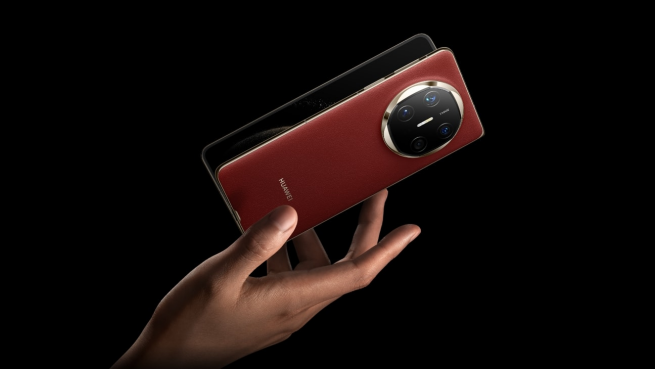
Flagship smartphones now have aerospace-grade metal, titanium, and Gorilla Armor glass for a premium feel and durability. Waterproofing to IP68 or above is the minimum standard. Foldables are slimmer and lighter, with practically imperceptible creases and better hinge technology that can withstand 500,000 folds. Flat-edged glass or curved titanium bodies provide a streamlined appearance, while color-shifting coatings and matte textures offer distinct aesthetics. Despite bigger batteries and sophisticated cooling, top models are compact and balanced in the hand. Premium tactile buttons, under-display sensors, and haptics all improve the user experience. Durability no longer means sacrificing design—flagships combine beauty, strength, and functionality in a single, coherent package.
Security, Software Support Length, and Ecosystem Integration
Modern flagships promote long-term value and security. Top companies provide 5-7 years of OS and security upgrades, which ensure lifespan and resale value. Biometric security combines under-display fingerprint scanning with 3D facial recognition, providing speed and precision. Secure enclaves and hardware-level encryption protect critical information. Phones now serve as hubs for smart home gadgets, wearables, and PCs, ensuring seamless ecosystem integration. Clipboard sharing, app continuity, and cross-device alerts boost productivity. Even firmware changes are carried out in the background with no disturbance, for users switching ecosystems or exploring new brands, questions like how to install google play store on huawei have become increasingly common. Flagship smartphones are no longer isolated gadgets—they're secure, intelligent companions built to last and grow with the user.
Conclusion
Flagship smartphones in 2025 are more than just high-end specifications; they symbolize the future of mobile computing. From AI-enhanced performance to professional-grade cameras and lightning-fast connections, each feature contributes to a smarter, smoother experience. Foldable designs, superior materials, and substantial software support provide both durability and flair. These gadgets no longer need to shout about a single distinguishing feature; they silently succeed in all categories. Users want more than simply powerful phones; they want dependable, elegant, and intelligent tools that make life easier and inspire creativity. As technology advances, so does the notion of a flagship—but by 2025, it is apparent that greatness entails delivering on all fronts.